


Understanding the Future of SEO
The future of SEO is no longer just about rankings, keywords, or backlinks. It is about building systems that turn visibility into real business results. Today, almost every business has a website, runs ads, and maintains some form of digital presence. Traffic comes in, engagement happens, and occasionally, conversions follow. But despite all of this activity, many companies still struggle to achieve consistent revenue growth.
This gap between traffic and revenue is one of the biggest challenges businesses face. It is not caused by a lack of tools or effort. In most cases, the issue lies in how marketing strategies are structured. Many businesses rely on disconnected tactics. SEO operates separately from content. Paid ads run without alignment with landing pages. Social media builds awareness but fails to drive meaningful action.
The future of SEO demands something different. It requires a unified approach where every channel works together to guide users from discovery to conversion. Traffic alone is no longer the goal. The real objective is to create a system where every visit has a clear purpose and a higher chance of turning into revenue.
As search engines evolve, they prioritize user experience, intent, and value more than ever before. This means businesses must shift from chasing rankings to building complete digital ecosystems. Those who adapt will see predictable growth. Those who do not will continue to struggle with inconsistent results.
Why Traffic Alone No Longer Works
In the early days of digital marketing, increasing traffic was often enough to grow a business. More visitors meant more opportunities to convert. Today, that approach is outdated.
Users are more informed, competition is higher, and attention spans are shorter. A visitor who lands on your website expects speed, clarity, and relevance within seconds. If any of these elements are missing, they leave immediately.
The future of SEO focuses on quality over quantity. Instead of attracting large volumes of random visitors, businesses must focus on attracting the right audience—people who are actively searching for solutions.
The Problem with Isolated Strategies
One of the main reasons businesses struggle is fragmentation. SEO, content, paid ads, and social media are often handled separately, without a shared goal.
This leads to:
- Traffic that does not convert
- Messaging that feels inconsistent
- Wasted marketing budget
- Poor user experience
Without integration, even high-performing campaigns fail to deliver long-term results.

Voice Search and the Shift to Conversational Search
A. Growth of Voice-Enabled Search
Voice search is expanding with smart speakers, phones, and in-car assistants. Users no longer type; they speak. This convenience is driving more long-tail and question-based queries.
For example, instead of typing “best coffee beans,” a user may ask, “What are the best coffee beans for home brewing?” Content must adapt to these natural, spoken queries.
B. How Voice Search Changes User Behavior
Voice queries use conversational intent rather than short keywords. Search engines now expect content that mirrors the way people speak.
Another change is the rise of zero-click answers, where assistants provide direct responses without a website visit. Content must be concise, accurate, and structured to meet these new expectations.
C. Optimizing for Voice Search
To optimize for voice, use natural language and short, clear answers. FAQ-style content works well for question-based queries.
Schema markup gives search engines context for voice answers. Pages should also load quickly and perform well on mobile since most voice searches occur on smartphones.
Search Generative Experience and AI Overviews
A. What SGE Means for SEO
SGE changes how results appear. Google now shows AI-generated summaries at the top of SERPs. These summaries combine information from multiple sources, providing fast insights.
This creates a more competitive environment. Only content that is relevant, clear, and authoritative has a chance to appear above or alongside AI summaries.
B. How to Rank in AI Overviews
To perform well in SGE, answer questions clearly and directly. Avoid filler and focus on concise explanations supported by examples. Topical authority is important. Cover subjects in depth, link related pages, and show comprehensive understanding.
Structured data helps search engines interpret content correctly. Content organized around user intent clusters performs best because it aligns with what users want at each stage of their journey.
User Intent and Experience as Core Ranking Factors
A. Intent Optimization
Understanding user intent is essential to the future of SEO. Every query expresses a purpose. Some people want information.
Others want to buy something. Some want to compare options. When content aligns with the right intent, it performs better.
Search engines reward pages that guide users through their journey. For example, informational content should teach. Commercial content should help users compare. Transactional pages should make the buying process smooth and simple.
Matching intent leads to higher engagement. It shows search engines that your page satisfies the need behind the query.
B. User Experience Signals Google Will Prioritize
Google continues to prioritize user experience. Core Web Vitals measure how fast a page loads, how stable it feels, and how quickly users can interact. Strong performance in these areas improves ranking strength.
Engagement signals also matter. When users stay longer, read more, or return to your site, search engines see this as a sign of quality. Clear writing, simple structure, and readable layouts help keep users engaged.
Mobile experience remains a major ranking factor. Most searches happen on mobile devices. A page that works well on phones improves visibility and builds trust with users.
The Growing Importance of E-E-A-T
A. Why E-E-A-T Will Matter More in the Future of SEO
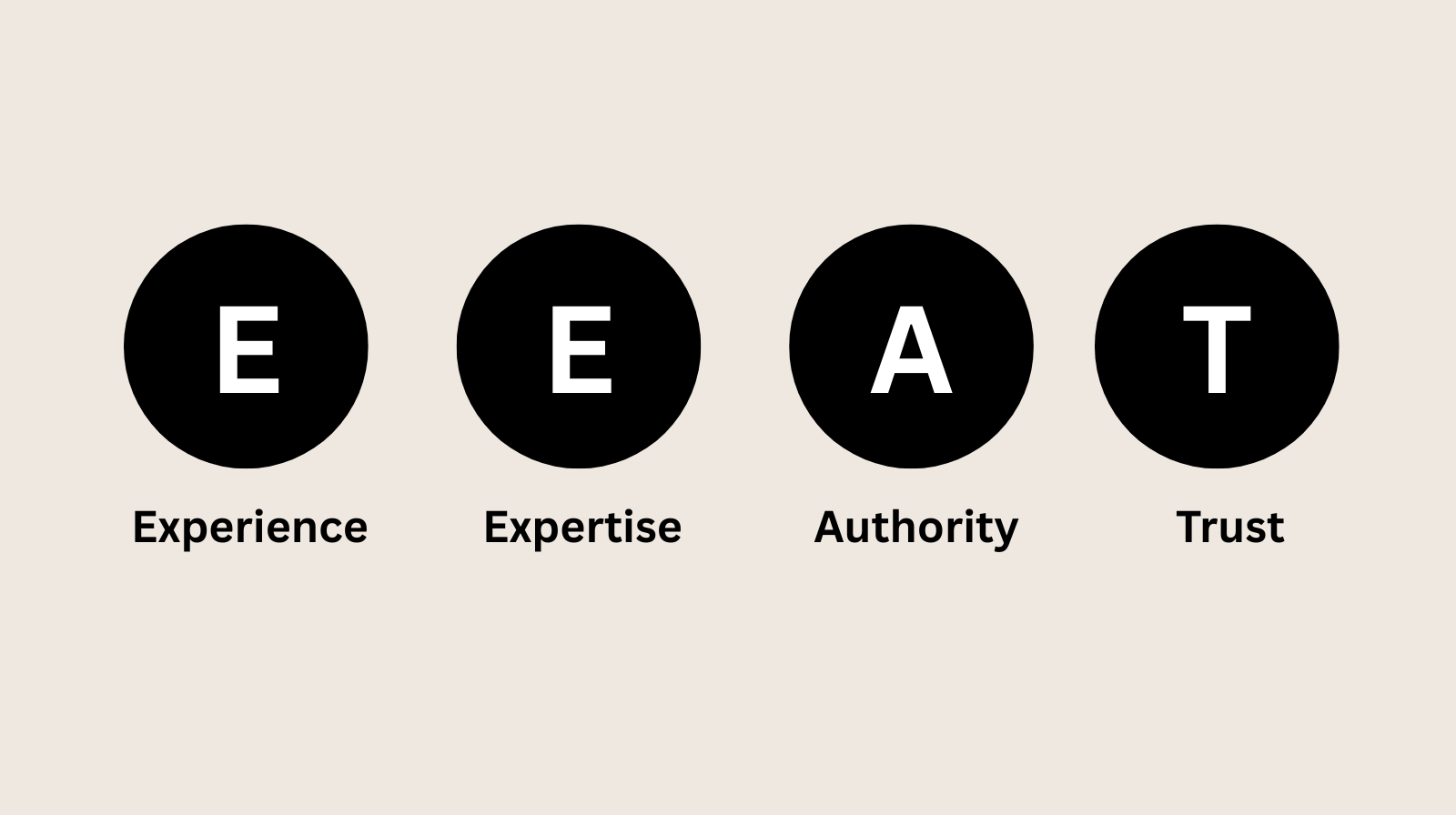
E-E-A-T, which stands for Experience, Expertise, Authority, and Trust, is becoming increasingly important in the Future of SEO. As search engines become more sophisticated, they can better distinguish between high-quality content and material that is misleading, low-value, or AI-generated. Websites that demonstrate real-world expertise and credibility gain a competitive edge in rankings and user trust.
Google evaluates trust and authority through multiple signals. For instance, it reviews the author’s qualifications, the website’s reputation, and the quality of references used in the content. Additionally, content that provides actionable, verifiable, and reliable information is more likely to appear in top search results. As the Future of SEO evolves, E-E-A-T is no longer optional—it is a foundational requirement for websites aiming to maintain authority and long-term visibility.
B. Building Strong E-E-A-T Signals
To strengthen E-E-A-T, start by including detailed author bios. Explain the author’s background, expertise, and qualifications to help both users and search engines understand their authority. Next, ensure proper sourcing and fact-checking. Linking to reputable studies, official reports, and authoritative websites signals credibility and reliability.
Integrating real-world experience further enhances engagement. Case studies, client testimonials, and personal insights demonstrate that content is based on practical knowledge rather than theory alone. In addition, maintaining transparency in reviews, recommendations, and sponsored content builds trust. Clearly disclosing affiliations, partnerships, or potential conflicts of interest reassures readers that your content is honest and trustworthy.
As the Future of SEO increasingly prioritizes quality over quantity, E-E-A-T will continue to be a critical factor for search rankings. Brands that invest in demonstrating expertise, authority, and trustworthiness now will be better positioned to meet algorithmic updates, capture organic traffic, and sustain long-term online success. By consistently applying E-E-A-T principles across all content, websites not only improve rankings but also enhance user satisfaction, engagement, and brand loyalty.
Moreover, strong E-E-A-T practices positively impact voice search and AI-driven search, which are key components of the Future of SEO. Providing accurate, authoritative, and trustworthy content ensures that emerging technologies will reliably surface your brand in both traditional and AI-assisted search results, further solidifying your digital presence.
Additionally, businesses that emphasize E-E-A-T are more likely to earn high-quality backlinks, improve click-through rates, and foster repeat visitors. These benefits collectively reinforce long-term visibility, credibility, and competitive advantage in the Future of SEO landscape, making it an indispensable strategy for forward-thinking brands.
Technical SEO Trends Shaping the Future
A. Structured Data and Schema Markup
Structured data helps search engines understand your content more precisely. As a result, your pages may appear with rich results, such as featured snippets, product cards, or FAQ sections. Furthermore, this visibility increases click-through rates and enhances user engagement.
B. Site Structure and Crawl Efficiency
Organizing your site with clean architecture improves both usability and crawl efficiency. For example, creating topic clusters and linking related pages signals to search engines that your site is an authority on specific subjects. In addition, efficient indexing ensures that all important pages are discoverable and ranked accurately.
C. Advanced Technical Priorities
Optimizing images is essential, especially for visual search. For instance, descriptive alt text and proper image sizing improve both accessibility and search visibility.
Log file analysis provides insights into how search engines interact with your website. By doing this, you can identify crawl issues and optimize site performance.
Finally, an AI-friendly site architecture is increasingly important. In other words, your content should be organized in a logical, consistent way that AI systems can interpret easily, helping improve overall search visibility.
Preparing for the Future: Action Plan for Brands
-
Invest in Original, Experience-Driven Content
Focus on creating content that reflects real expertise and practical experience. Additionally, avoid relying solely on AI-generated text. -
Adopt AI Tools Responsibly
AI can assist with research and analytics, but human review is crucial. Therefore, always combine AI efficiency with human insight. -
Optimize for Voice and Generative Search
Structure content to answer conversational queries clearly. Moreover, use schema markup to help search engines understand your content for AI-generated summaries. -
Strengthen UX and Technical SEO Foundations
Prioritize fast-loading pages, mobile responsiveness, and structured data. Consequently, users and search engines can navigate your site more easily. -
Build Topical Authority Instead of Chasing Short-Term Keywords
Cover subjects in depth using clusters and internal linking. As a result, your content becomes more comprehensive and authoritative. -
Maintain a Long-Term Mindset for Sustainable SEO Growth
Focus on consistent quality, user satisfaction, and adaptability. This ensures your site remains competitive even as search technology continues to evolve.
By following this action plan, brands can stay ahead in the changing SEO landscape. Ultimately, adapting early to AI, voice search, and evolving ranking factors ensures long-term visibility and authority.

Preparing for the Future of SEO
The Future of SEO is no longer a distant concept it is actively reshaping how brands connect with audiences, generate traffic, and drive conversions. AI-powered search engines, voice search, and evolving ranking factors are transforming the digital landscape. Businesses that fail to adapt risk losing visibility, authority, and opportunities in an increasingly competitive environment.
To succeed in the Future of SEO, brands must adopt a multi-layered strategy. This begins with creating high-quality, experience-driven content that aligns with user intent. Instead of focusing solely on keywords, content must provide value, answer questions, and anticipate the needs of the audience. This approach not only satisfies search engines but also builds credibility and trust with customers.
Voice Search Optimization is another essential element of the Future of SEO. As users increasingly interact with devices through speech, brands that optimize their content for conversational, question-based queries gain a significant advantage. By incorporating voice-friendly keywords, structured content, and FAQ sections, companies can increase the likelihood of appearing in position-zero results and featured snippets directly boosting visibility and engagement.
Technical foundations remain critical as well. Page speed, mobile responsiveness, structured data, and clean site architecture all contribute to a website’s performance in search. The Future of SEO rewards websites that combine seamless user experiences with AI-readable content, ensuring that search engines can understand and rank your pages accurately.
Moreover, establishing topical authority is essential for long-term success. Content clusters, internal linking, and in-depth coverage of subjects demonstrate expertise, authority, and trustworthiness the pillars of effective SEO. Brands that invest in these strategies today will benefit from stronger rankings, higher engagement, and sustainable growth in the evolving digital landscape.
At ANX Digital, we understand the complexities of the Future of SEO. Our team helps businesses navigate AI-driven search, voice search optimization, technical SEO, and content strategy to achieve measurable results. By partnering with us, companies can stay ahead of competitors, capture high-intent traffic, and maintain a strong online presence.
In conclusion, preparing for the Future of SEO requires a proactive, holistic approach. By combining innovation, data-driven insights, and user-focused strategies, brands can not only survive but thrive in a search landscape that is smarter, faster, and more dynamic than ever before. Contact ANX Digital Solutions today to future-proof your digital strategy and maximize online growth.
Frequently Asked Questions About the Future of SEO
1. What is the Future of SEO?
The Future of SEO refers to how search engine optimization strategies are evolving with technology and user behavior. Traditional SEO focused mainly on keywords and backlinks. Today, AI, voice search, and machine learning are shaping the way content is ranked and discovered. Businesses need to adapt to these changes to maintain visibility and remain competitive. Understanding the Future of SEO helps brands plan long-term strategies that prioritize user intent and content relevance.
2. How is AI affecting the Future of SEO?
AI plays a critical role in the Future of SEO by helping search engines understand context, intent, and topic relevance. Tools like Google’s RankBrain and MUM evaluate content quality beyond keywords. AI also assists marketers by providing predictive analytics, keyword clustering, and content suggestions. By leveraging AI, brands can optimize content for both users and search engines efficiently.
3. Why is voice search important for the Future of SEO?
Voice search is a growing part of the Future of SEO because more users interact with devices through spoken queries. Optimizing for conversational, long-tail keywords ensures brands appear in voice-assisted search results. Structured content and FAQ sections improve the chances of being featured as voice answers. Companies that embrace voice search optimization gain a competitive advantage in local and mobile searches.
4. How can businesses prepare for the Future of SEO?
To prepare for the Future of SEO, businesses should focus on creating experience-driven, high-quality content. Structured data, mobile-friendly design, fast page speed, and strong E-E-A-T signals are essential. Additionally, monitoring AI and voice search trends ensures your website stays relevant as search algorithms evolve.
5. What are the main challenges in the Future of SEO?
The main challenges include adapting to AI-driven algorithms, optimizing for voice and mobile search, and maintaining high-quality content in a competitive landscape. The Future of SEO will require continuous learning, analytics monitoring, and strategy adjustments to remain effective.
