

Introduction: Why Email Marketing for E-Commerce Is Essential for Growth
Every click, cart, and purchase tells a story. What happens after a customer makes their first purchase often determines the long-term success of your e-commerce brand. Attracting new customers is important, but retaining them and turning them into loyal repeat buyers is what truly drives sustainable growth. This is where Email Marketing for E-Commerce becomes an indispensable tool. According to Campaign Monitor’s guide on effective email marketing strategies, well-executed email campaigns can significantly increase customer lifetime value, engagement, and overall revenue.
Email provides a direct line to your audience, giving you control over messaging without depending on algorithms, social media feeds, or paid ads. Unlike other channels, Email Marketing for E-Commerce allows you to deliver personalized content, promotions, and updates straight to your customers’ inboxes. This direct connection builds trust, reinforces your brand identity, and encourages repeat purchases.
One of the greatest strengths of Email Marketing for E-Commerce is its ability to combine personalization with automation. Personalized emails, such as product recommendations based on previous purchases or tailored offers for loyal customers, create a sense of relevance and connection. Automation ensures these messages reach the right audience at the right time, whether it’s welcoming new subscribers, reminding customers about abandoned carts, or sending post-purchase follow-ups. The result is more engagement, more conversions, and stronger customer relationships.
Consistency is another crucial factor. Brands that regularly communicate with their customers using Email Marketing for E-Commerce campaigns stay top-of-mind. This includes weekly newsletters, seasonal promotions, product launches, and value-driven content like guides or tips. Regular communication not only nurtures trust but also encourages customers to explore new products and return for additional purchases. Over time, this consistent strategy strengthens brand loyalty and increases lifetime value.
Moreover, Email Marketing for E-Commerce is measurable and scalable. Unlike traditional marketing, every email can be tracked to see open rates, click-through rates, conversions, and revenue generated. This data provides actionable insights that allow you to refine messaging, test subject lines, and improve campaigns continuously. Brands can experiment with A/B testing, segment audiences, and adjust timing to maximize engagement and ROI.
Finally, email is versatile and cost-effective. Small businesses and large enterprises alike can leverage Email Marketing for E-Commerce to achieve meaningful results without enormous budgets. It works for promotions, customer education, product updates, and building a loyal community around your brand. When executed correctly, email campaigns do more than generate immediate sales—they cultivate long-term relationships that fuel sustainable business growth.
In this guide, you will learn proven strategies and actionable tips for Email Marketing for E-Commerce. From building subscriber lists and segmenting audiences to creating engaging content and optimizing automation, each tactic is designed to help your online store grow. By implementing these strategies, you can turn first-time buyers into loyal customers, improve engagement, and drive repeat purchases while building a brand that thrives in the competitive world of e-commerce.
What Is Email Marketing for E-Commerce?
Email Marketing for E-Commerce campaigns are much more than simple newsletters or promotional blasts. They are carefully crafted strategies that guide customers through every stage of the buying journey — from initial browsing to making a purchase, and even post-purchase follow-ups. The goal is to deliver messages that are relevant, timely, and engaging, tailored specifically to each individual’s behavior, preferences, and past interactions with your brand.
These emails can take many forms, each designed to encourage action and strengthen the relationship between the customer and your brand. For example, product recommendation emails suggest items based on previous purchases or browsing history, increasing the likelihood of repeat sales. Abandoned cart reminders nudge shoppers to complete their purchase, often providing incentives like limited-time discounts. Loyalty programs and VIP offers reward frequent buyers, showing that your brand values their continued engagement.
Beyond driving immediate sales, Email Marketing for E-Commerce plays a critical role in maintaining long-term customer relationships. Personalized messaging makes each customer feel seen and understood, creating a sense of connection that goes beyond the transaction. By leveraging automation tools and customer data, brands can implement Email Marketing for E-Commerce campaigns that deliver the right message at the right time without manually managing each interaction.
The benefits extend to customer retention and lifetime value. Regular, relevant communication ensures your brand stays top-of-mind, prompting repeat visits and purchases. Additionally, these campaigns provide valuable insights into customer behavior. Tracking metrics such as open rates, click-through rates, and conversion rates allows businesses to refine their strategy, improve content, and continually enhance the customer experience.
In essence, Email Marketing for E-Commerce transforms routine interactions into meaningful touchpoints. By understanding customers’ needs, preferences, and pain points, brands can deliver highly relevant content that encourages loyalty, engagement, and repeat purchases. This approach ensures that marketing efforts are not just promotional, but genuinely valuable, building trust and creating long-term relationships that benefit both the customer and the business. Properly executed Email Marketing for E-Commerce becomes a cornerstone of sustainable growth, helping online stores nurture trust and turn first-time buyers into lifelong customers.
Why Email Marketing Matters for E-Commerce Businesses
Email marketing remains one of the most powerful tools for e-commerce brands aiming to grow sales and retain customers.
Unlike social media or paid ads, email gives you direct access to your customer’s inbox, allowing you to deliver personalized messages that encourage repeat purchases.
Proven ROI for Online Stores
Email continues to outperform many other marketing channels. According to recent data, email marketing delivers an average ROI of 38:1 for e-commerce businesses.
In simple terms, every dollar invested in email can generate up to thirty-eight dollars in return. This makes it a cost-effective way to build customer relationships and boost conversions.
Re-Engage and Recover Lost Sales
Email marketing also helps reconnect with inactive shoppers and recover lost sales opportunities. For example, abandoned cart reminders, follow-up sequences, and exclusive offers can motivate customers to complete their purchases.
These automated campaigns often have high open and click-through rates, which directly improve sales performance.
Build Trust and Long-Term Loyalty
Beyond immediate conversions, email helps strengthen customer loyalty. Sending useful tips, product updates, or loyalty rewards keeps your audience engaged and reminds them why they trust your brand.
Over time, this approach increases lifetime customer value (LCV) — a key metric for sustainable e-commerce growth.
In summary, email marketing for e-commerce isn’t just about selling. It’s about building meaningful connections that turn one-time shoppers into loyal, returning customers.
Using trusted email marketing services helps e-commerce brands deliver personalized campaigns, boost engagement, and drive repeat sales with confidence and reliability.
Key Email Marketing Strategies for E-Commerce Success
To get consistent results from email marketing for e-commerce, you need actionable strategies that align with your store’s goals. Each approach below focuses on improving engagement, boosting conversions, and encouraging repeat sales.
1. Build and Segment Your Email List
A successful email strategy starts with segmentation. This process ensures that every message feels personal and relevant to the recipient.
Instead of sending one generic email to everyone, divide your audience into segments — for example, new subscribers, returning customers, and inactive users.
In addition, use automation tools like Klaviyo or Mailchimp to manage segmentation efficiently. As a result, you can send targeted emails that match each group’s preferences and behavior, which greatly improves open and conversion rates.
2. Create a High-Converting Welcome Series
Your welcome series often determines whether subscribers stay engaged or lose interest. Therefore, focus on making a strong first impression.
A three-part sequence works best: first, introduce your brand; next, showcase best-selling or new products; and finally, reward new subscribers with a discount or exclusive offer.
Furthermore, maintain a consistent brand voice and use personalization wherever possible. By doing so, you establish trust early and guide customers smoothly toward their first purchase.
3. Leverage Abandoned Cart Emails
Abandoned cart emails remain one of the most powerful tools for recovering lost sales. When shoppers leave items behind, send a gentle reminder that includes product images and clear calls to action.
For example, use phrases like “Your cart is waiting!” or “Don’t miss out — complete your purchase today.” In addition, offering a small incentive or free shipping can encourage quick action and boost conversion rates.
4. Personalize Recommendations Based on Behavior
Personalized recommendations show customers that your brand understands their needs. Use browsing or purchase data to suggest products dynamically — for instance, “You might also like” or “Complete your look.”
In addition, these tailored recommendations not only improve click-through rates but also increase repeat purchases. Over time, they help strengthen customer relationships and brand loyalty.
5. Use Post-Purchase Follow-Up Emails
After a sale, many brands stop communicating — but that’s a missed opportunity. Instead, send post-purchase emails to nurture the relationship. Include thank-you notes, product care tips, or review requests.
For example, you can say, “How are you enjoying your new [product]? Here’s 10% off your next order.” As a result, customers feel appreciated and are more likely to return for future purchases.
6. Win Back Inactive Customers
Every e-commerce business has subscribers who become inactive over time. To re-engage them, send reactivation campaigns that remind them of your value. Offer discounts, highlight new arrivals, or simply ask for feedback.
For instance, a subject line like “We miss you — here’s something special to come back!” creates a friendly tone and sparks curiosity. Over time, these win-back emails can revive engagement and boost customer lifetime value.
Best Practices to Maximize Email Marketing ROI
To make the most of email marketing for e-commerce, focus on relevance, personalization, and consistent value. These best practices will help you achieve higher engagement and stronger returns:
-
Maintain a clean, permission-based list to ensure better deliverability and audience trust.
-
Write compelling subject lines that capture attention and encourage clicks.
-
Optimize emails for mobile devices, since most shoppers read messages on their phones.
-
A/B test key elements like send times, CTAs, and layouts to improve performance.
-
Monitor deliverability and avoid spam triggers to protect your sender reputation.
When applied consistently, these tactics strengthen your campaigns, boost conversions, and help your e-commerce brand achieve sustainable email marketing success.
Common E-commerce Email Marketing Mistakes to Avoid
Avoiding common pitfalls can greatly improve engagement and customer loyalty in email marketing for e-commerce:
-
Sending too many promotional emails can cause unsubscribes — balance offers with value-driven content.
-
Ignoring mobile optimization hurts readability and click rates.
-
Poor segmentation leads to irrelevant messages that reduce engagement.
-
Weak CTAs or generic content fail to inspire action.
-
Neglecting post-purchase communication misses chances to build loyalty and encourage repeat sales.
By correcting these mistakes, you create more meaningful connections with customers and drive stronger long-term results.
Tools to Power Your E-Commerce Email Strategy
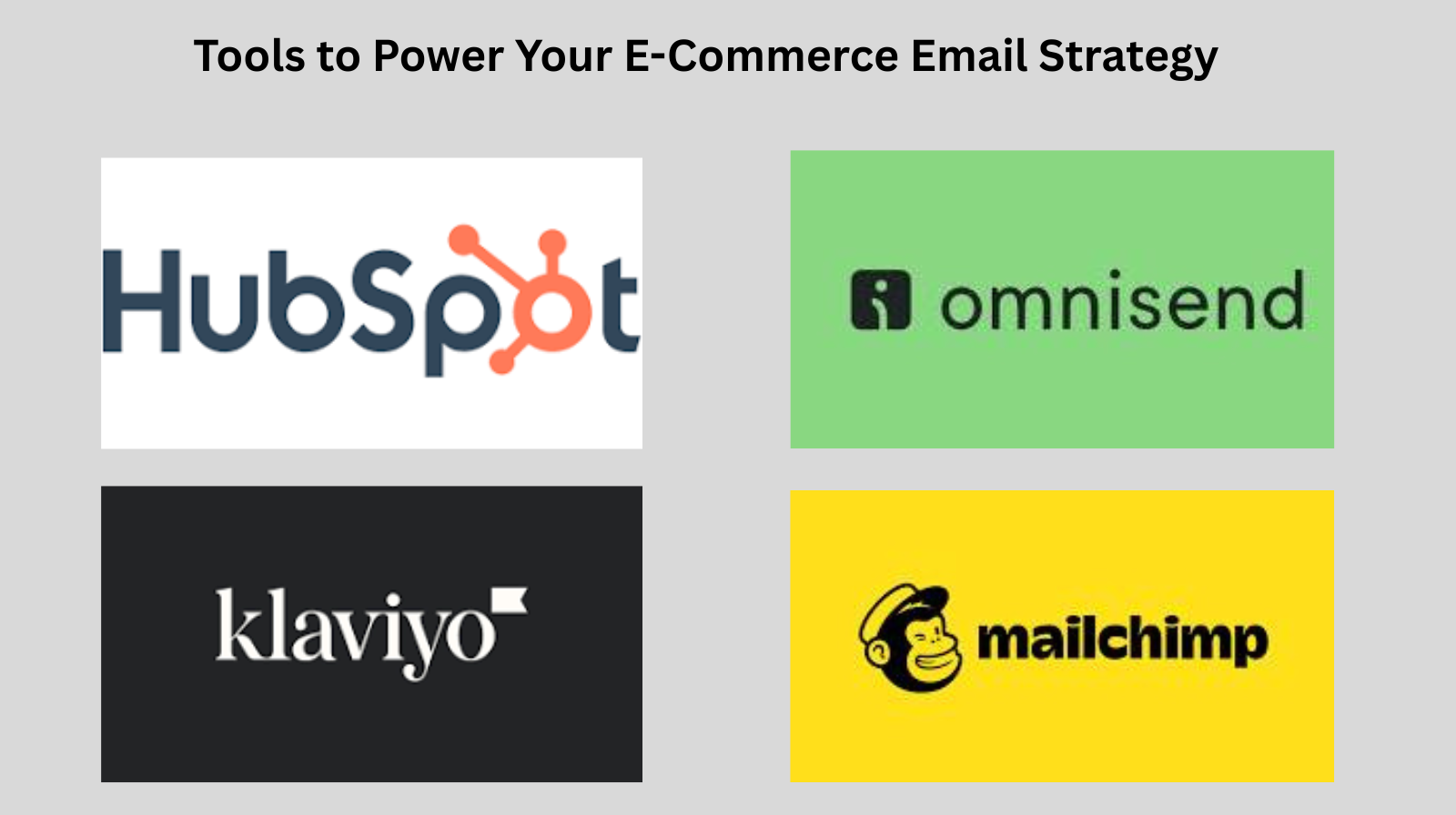
The right tools make it easier to manage, automate, and optimize your e-commerce email marketing. Each platform offers unique strengths suited to different business needs:
-
Klaviyo – Excellent for advanced automation, segmentation, and behavior-based targeting.
-
Mailchimp – Ideal for small businesses thanks to its intuitive interface and affordable plans.
-
Omnisend – Great for running multi-channel campaigns that include email, SMS, and push notifications.
-
HubSpot – Combines powerful CRM features with email automation to track and nurture leads effectively.
-
Shopify Email – Perfect for Shopify users who want a simple, built-in solution to send branded campaigns directly from their store.
Using these tools strategically helps streamline your workflow, boost personalization, and improve overall campaign performance.
Final Thoughts — Start Strengthening Your Customer Relationships
Mastering Email Marketing for E-Commerce is one of the most effective ways to boost repeat sales and build lasting customer relationships. By sending relevant, timely, and personalized messages, brands can create meaningful interactions that encourage loyalty and long-term engagement.
Moreover, by focusing on segmentation, personalization, and consistent value, your emails can turn one-time buyers into loyal brand advocates. Tailoring content to customer preferences, behavior, and purchase history ensures that every message feels relevant and valuable, which strengthens trust and keeps your audience connected to your brand.
In addition, start small — launch one targeted campaign, track your results, and refine your approach based on performance insights. Use metrics such as open rates, click-through rates, and conversion rates to understand what resonates with your customers. Gradually, expand your campaigns to include automated flows, abandoned cart reminders, post-purchase follow-ups, and personalized product recommendations.
Implementing Email Marketing for E-Commerce consistently allows businesses to create a seamless customer journey, from initial purchase to repeat engagement. Over time, these steady improvements will strengthen customer loyalty, increase lifetime value, and drive sustainable growth — turning casual shoppers into long-term supporters of your brand.
CTA:
Start applying these proven email marketing for e-commerce strategies today to increase customer loyalty and drive repeat sales.
Frequently Asked Questions: Email Marketing for E-Commerce
1. How often should e-commerce brands send marketing emails?
For most online retailers, consistency is key in Email Marketing for E-Commerce. Sending one to three emails per week is generally effective, balancing brand visibility with customer comfort. Sending too few emails risks losing touch with your audience, while sending too many can lead to unsubscribes. By analyzing engagement metrics such as open rates and click-through rates, brands can fine-tune their email frequency. For instance, a fashion retailer might send weekly updates on new arrivals, while a subscription service may send two targeted emails featuring personalized offers or reminders. Consistent communication keeps your brand top-of-mind and encourages repeat purchases.
2. What’s the best time to send emails to online shoppers?
Timing plays a crucial role in Email Marketing for E-Commerce. Data shows that midweek mornings or early evenings often yield the highest engagement, as subscribers are more likely to check their inboxes during these periods. However, ideal send times can vary by industry and audience behavior. By reviewing past campaign performance, brands can determine the most effective timing for their audience. Additionally, automation tools in email marketing platforms allow for sending emails at optimal times based on individual subscriber activity. Properly timed emails increase the chances of opens, clicks, and conversions, maximizing ROI for your campaigns.
3. How can automation improve email marketing for e-commerce?
Automation is a cornerstone of effective Email Marketing for E-Commerce. Automated campaigns ensure timely, personalized communication with customers, increasing engagement and sales. Examples include welcome emails for new subscribers, abandoned cart reminders, and personalized product recommendations based on browsing or purchase history. Automation reduces manual workload while delivering highly relevant messages that feel personal. For instance, a customer who purchased a camera might receive follow-up emails suggesting accessories or offering tips on usage. Automation not only improves efficiency but also strengthens customer relationships, encouraging repeat purchases and higher lifetime value.
4. What types of post-purchase emails work best?
Post-purchase emails are vital in Email Marketing for E-Commerce because they help build loyalty and encourage repeat sales. Effective examples include:
-
Thank-you emails: Show appreciation and reinforce the customer-brand relationship.
-
Review requests: Encourage feedback that builds social proof.
-
Product care or usage tips: Help customers get the most out of their purchases.
-
Cross-sell or upsell emails: Recommend complementary products to increase sales.
Well-crafted post-purchase emails demonstrate that the brand values its customers and can lead to higher retention and engagement over time.
5. How can e-commerce brands measure the success of email marketing campaigns?
Measuring performance is essential for any Email Marketing for E-Commerce strategy. Key metrics include open rates, click-through rates, conversion rates, revenue per email, and unsubscribe rates. By monitoring these metrics, brands can identify which campaigns resonate with customers and which require adjustments. A/B testing subject lines, content, and send times is an effective way to optimize campaigns. Additionally, tracking ROI from email campaigns allows brands to see the direct impact on sales. Consistent measurement ensures your Email Marketing for E-Commerce efforts are data-driven, enabling continuous improvement and higher revenue growth.
